Thailand Election 2026 & Cannabis Industry Outlook for U.S. Operators
Hey, Monchai here! I just spoke with a friend who’s a U.S.-based cannabis business operator. He asked me how the recent Thailand election results may impact foreign investment opportunities. I did some deep digging and gave him this response.
If you're a U.S.-based cannabis operator keeping one eye on Southeast Asia, Thailand has probably been on your radar for the past few years. I get it.
Thailand went from zero to full decriminalization to thousands of dispensaries almost overnight. For a moment, it looked like Asia's California.
But now we've had a landmark election — and the regulatory picture may have shifted dramatically.
The big question is: Is Thailand still worth considering for expansion?
Let's break this down clearly and realistically.
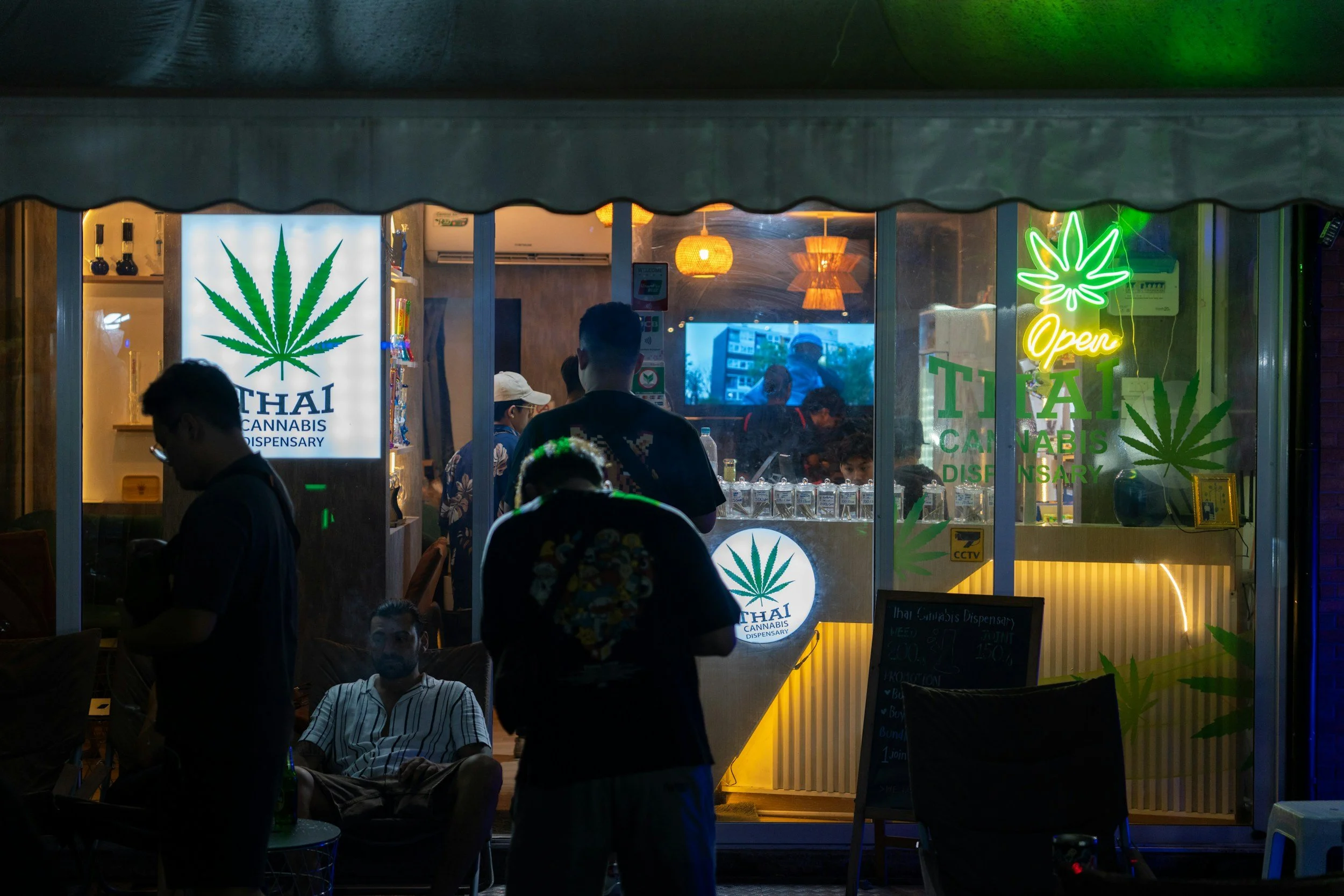
The Political Context: Thailand's February 8, 2026 Election
On February 8, 2026, Thailand held a snap general election — one that nobody expected to happen so soon. Prime Minister Anutin Charnvirakul dissolved parliament in December 2025 after just under 100 days in office, citing dysfunction between rival coalition parties and capitalizing on a surge of nationalist sentiment following a border conflict with Cambodia.
The result surprised almost everyone. Anutin's Bhumjaithai Party won approximately 193 seats in Thailand's 500-seat House of Representatives — nearly triple its 2023 tally — making it the dominant force in parliament. The progressive People's Party came in second with around 118 seats, and the once-dominant Pheu Thai trailed with 74 seats.
It was the first decisive conservative victory in Thailand in the 21st century.
Why does this matter for cannabis operators? Because Bhumjaithai was the original driving force behind Thailand's cannabis decriminalization in 2022. Anutin himself championed the policy as Minister of Public Health and was nicknamed "Thailand's Cannabis King." His party's consolidation of power shapes the entire regulatory trajectory going forward.
But here's the critical nuance that many American operators miss: Thailand's political culture operates differently from the U.S. Cannabis reform here was never purely market-driven — it was framed as medical reform and agricultural opportunity. Once public sentiment shifted toward visible recreational excess, political pressure followed. Even with the cannabis party back in charge, the policy environment has fundamentally changed.
The Era of "Green Rush Thailand" Is Over
Here's the rapid-fire timeline every U.S. operator needs to understand:
2022: Thailand decriminalized cannabis, removing it from the narcotics list. Dispensaries exploded. Tourists lit up openly. Thousands of shops opened with minimal regulatory oversight.
2022–2024: A regulatory vacuum persisted because no comprehensive Cannabis Act was ever passed. Ministerial directives, temporary circulars, and local zoning orders filled the gaps — creating a chaotic, inconsistent environment.
June 26, 2025: The Ministry of Public Health reclassified cannabis flower as a "controlled herb" under traditional medicine law, effectively ending open recreational access. A valid prescription from a licensed Thai practitioner became mandatory for any legal purchase. The recreational market was dismantled overnight.
Late 2025: Of 18,433 registered cannabis businesses, only 1,339 (about 15.5%) renewed their licenses under the tightened standards. Over 7,200 shops closed. January 2026 regulations added further requirements, including mandating that dispensaries have certified traditional medicine practitioners on-site.
February 2026: All major political parties — including Bhumjaithai — entered the election pledging to maintain a medical-only cannabis framework.
The wild expansion phase is done. What remains is a structured, compliance-driven medical market with approximately 11,000 licensed dispensaries still operating.
What This Means for a U.S Cannabis Operator
If you're licensed in the U.S. and accustomed to navigating one of the most complex regulatory environments in the world, here is an honest assessment of the opportunity ahead.
1. Recreational? Not in the Near Term
Thailand is not moving toward a Colorado-style recreational framework anytime soon. The public health data that accumulated during the open-access period was damaging — reported hospitalizations for cannabis exposure and cases of cannabis-induced psychosis rose sharply between 2022 and 2025. I’m not sure about its accuracy, but that data has given conservative and public health voices strong political ammunition.
Any future path toward broader access would likely be slow, heavily restricted, and tied to prescription-based hybrid models tightly controlled at the Ministry level. If your California business model depends on open retail foot traffic and walk-in sales, Thailand does not align with that model — at least not in the short term.
2. Medical Cannabis and Structured Cultivation Are the Real Opportunity
This is where U.S. operators genuinely have a competitive advantage.
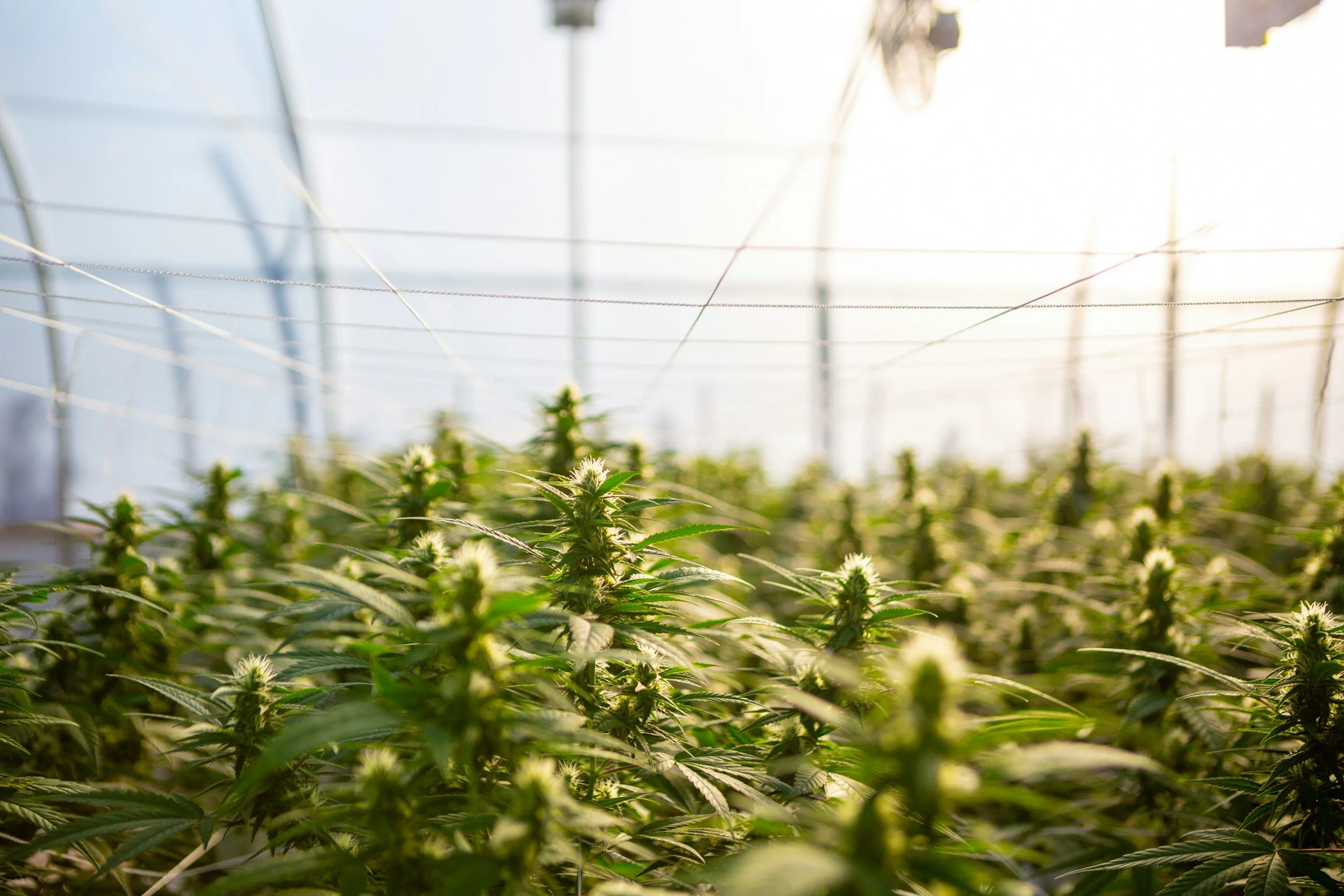
Thailand's current medical framework requires Good Agricultural and Collection Practices (GACP) certification for all cultivators. Monthly transaction reporting is mandatory. Dispensaries need licensed medical practitioners on-site. Prescription documentation must be maintained for at least one year.
Sound familiar? If you've built a California cannabis operation with professional SOPs, lab testing protocols, supply chain traceability, and compliance infrastructure, you are already operating at a standard that Thailand's medical market now demands — and that most local operators have struggled to meet.
The opportunity exists in pharmaceutical-grade cultivation, hospital supply chain partnerships, licensed research collaborations, and the growing medical tourism infrastructure that Thailand has developed over decades.
Thailand's medical cannabis sector, its established traditional medicine framework, and its significant agricultural expertise all point toward a long-term role as a Southeast Asian production and medical supply hub. The operators who position themselves for that outcome now will be better placed when the regulatory picture fully clarifies.
3. Foreign Ownership: A Reality Check
This is non-negotiable knowledge for any U.S. operator considering Thailand.
Thailand's legal framework does not make foreign majority ownership straightforward in most sectors, including cannabis. You will need Thai majority corporate structures in most cases, strong local legal counsel with Ministry-level fluency, and a genuine appetite for partnership and patient navigation of Thai business culture. If you are not prepared to build those relationships carefully over time, this is not your market.

Is Now the Right Time to Move?
In short: this is a positioning phase, not a deployment phase.
The February 2026 election result gives Bhumjaithai a mandate to govern, but official election results are not expected to be certified until April 9, 2026. A new prime minister is not expected to be elected (by Thai Parliament) until early May, with a fully functioning government anticipated by mid-June 2026. The Cannabis and Hemp Act — a comprehensive bill that would unify Thailand's fragmented cannabis regulatory framework — still awaits parliamentary passage.
That legal uncertainty is real. But it also creates a window.
A practical 2026–2027 strategy might look like this:
Build your Thai legal relationships now — specifically with counsel experienced in Ministry of Public Health licensing and traditional medicine law. Study the draft Cannabis and Hemp Act and track its progress through parliament. Explore Joint Venture structures quietly and selectively with established Thai agricultural partners. Visit, observe, and build relationships without committing major capital.
Major capital deployment should wait for a finalized Cannabis and Hemp Act, clear and consistent enforcement standards, and predictable licensing renewal pathways.
Why Thailand Still Matters for Long-Term Strategy
Despite the regulatory reset — and in many ways because of it — Thailand retains real long-term advantages for serious operators.
The country has deep agricultural expertise and significantly lower production costs than California. Its medical tourism ecosystem is among the most developed in the world, drawing patients from across Asia and beyond. Cultural and historical acceptance of cannabis within traditional herbal medicine gives the plant a legitimacy that many Western markets have had to build from scratch.
The shift from hype to structure — the consolidation from 18,000 dispensaries to a smaller, professionally operated medical market — is actually better for serious, compliance-oriented U.S. operators than the chaotic open-market phase was. Undercapitalized operators running on tourist hype have been shaken out. What remains is a smaller, more professionalized industry that needs a clear direction.
Final Perspective: From U.S. to Thailand
Thailand is not closing the cannabis door. It is stabilizing the framework around it.
Bhumjaithai's strong election result means the party that legalized cannabis retains governing power — but it has publicly committed to a medical-only model because public health data and voter sentiment demand it. That is the political reality for the foreseeable future.
If you are looking for fast retail profits, Thailand is not your moment.
If you are building long-term Southeast Asia positioning, developing a medical cannabis supply chain, or seeking strategic international diversification that aligns with your California-like compliance infrastructure, Thailand remains one of the most important markets to watch in the region.
Just do not treat it like California 2.0. It is Thailand — and it plays by its own rules.

Frequently Asked Questions
Is cannabis legal in Thailand in 2026? Cannabis is legal in Thailand only within a regulated medical framework as of 2026. Recreational use is prohibited. A valid prescription from a licensed Thai medical practitioner is required for legal purchase of cannabis flower.
What did the February 8, 2026 Thailand election mean for cannabis policy? Bhumjaithai, the conservative party that originally decriminalized cannabis in 2022, won approximately 193 seats — nearly tripling its 2023 performance. All major parties, including Bhumjaithai, entered the election supporting a medical-only cannabis framework. A recreational market is not anticipated in the near term.
Can a U.S. cannabis company operate in Thailand? Foreign majority ownership faces significant legal restrictions in Thailand. U.S. operators would need Thai majority corporate structures, experienced local legal counsel, and established Thai partnerships to operate legally.
What is the status of the Thailand Cannabis and Hemp Act? As of February 2026, the Cannabis and Hemp Act — which would create a unified licensing and enforcement framework — still awaits passage through parliament. A new government is expected to be fully formed by mid-June 2026.
What opportunity exists for U.S. cannabis operators in Thailand? The primary opportunity is in GACP-certified medical cultivation, hospital supply chain partnerships, and licensed research collaborations. U.S. operators with strong compliance infrastructure and SOPs are well-positioned relative to local operators who struggled with the medical re-licensing requirements.
This blog is intended for informational purposes only and does not constitute legal or investment advice. Cannabis regulations in Thailand are evolving rapidly. Always consult qualified legal counsel before making any business decisions in international markets.
MORE RESOURCES:
Tomorrowland Thailand 2026: Your Complete Travel Guide for the Festival of a Lifetime
Thailand Drone Laws 2026: Complete Tourist Guide (Registration Required)
Thailand Visa Exemption Crackdown November 2025: New Rules Explained
Best Time to Visit Thailand?: What I Tell My Friends
Complete Guide to Working in Thailand as a Foreigner (2025): Visas, Work Permits & Legal Requirements
Enjoy lovingly prepared Thai food while appreciating beautiful Patong Bay in Phuket: Check out Ab Zab Restaurant Phuket
Retiring in Thailand in 2025: Your Complete Guide to Living the Dream (Without Breaking the Bank)
Thailand e-Visa Guide 2025: How to Apply Online [Complete Process]
Bangkok’s #1 transportation choice for tourists: BTS Sukhumvit Line (2025 Guide)
Thailand Medical Tourism 2025: Best Hospitals, Costs & Procedures
For Best Mindfulness Retreats in Thailand for English Speakers, click HERE.
Looking for Bangkok’s best second-hand markets? Check it out HERE.
Was this content useful? For the latest Thailand living tips, travel hacks, and perhaps retirement blog updates, pop in your email the box below. Let’s explore Thailand together!
And, if you’re ready to explore Thailand for the first time and need my help with your trip itinerary, click HERE. I’m an Independent Travel Advisor of Fora Travel.
Cheers! - Monchai