Thailand Drone Laws 2026: Complete Tourist Guide (Registration Required)
Updated February 2026
Hey, it’s Monchai again. Recently, my buddy Rick asked me if he can take his drone into Thailand to capture aerial images during his upcoming vacation. Well, here’s my complete response to this increasingly popular question.
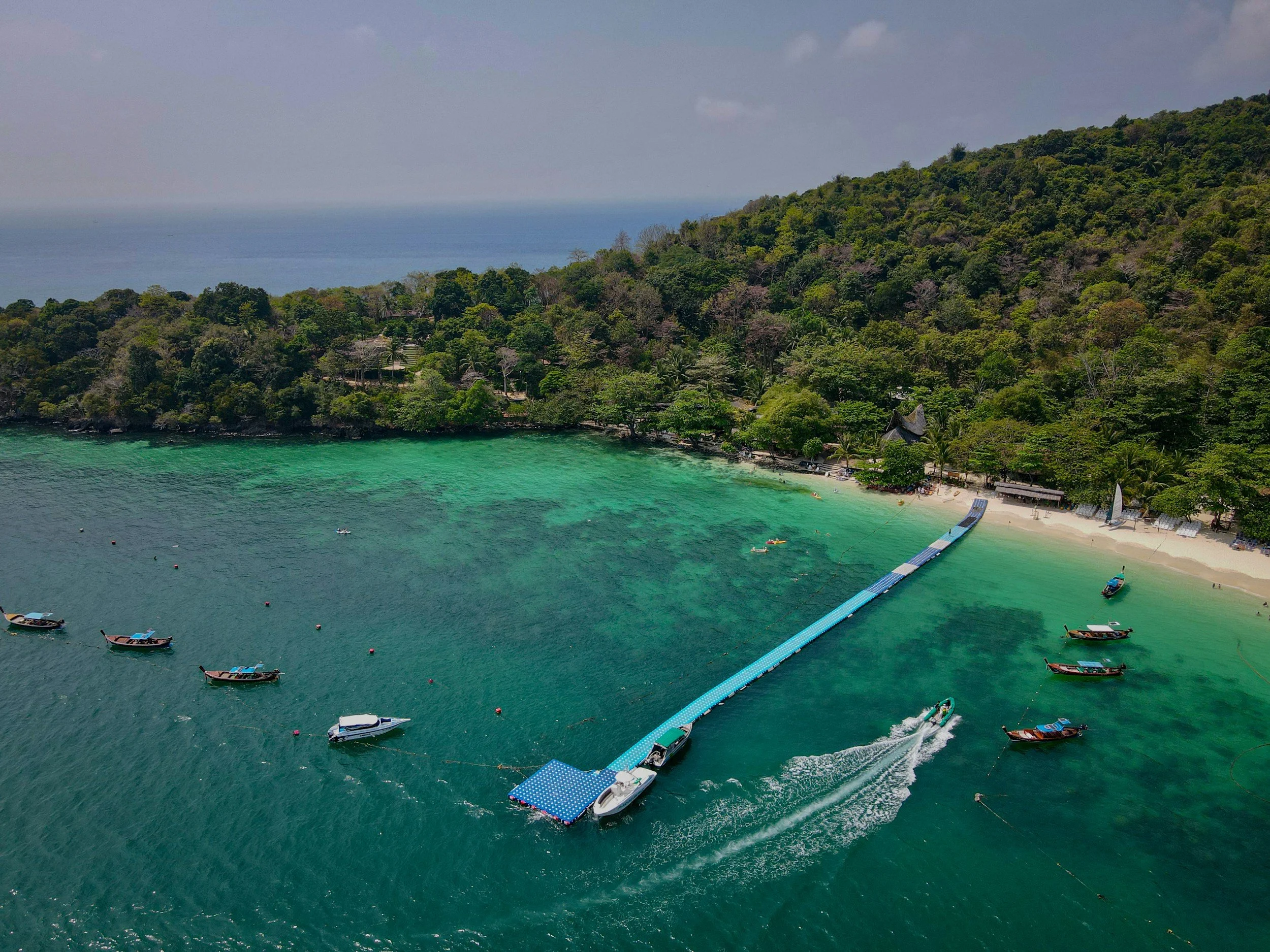
Thailand ranks among the world's most photogenic destinations in the world, it's no surprise travelers want to capture aerial footage.
But here's what catches many tourists off guard:
Flying a drone in Thailand without proper registration is illegal — even for a single flight.
Before you pack your DJI Mavic or Air, here's exactly what you need to know in 2026.
Quick Answer: Can Tourists Fly Drones in Thailand?
Yes, tourists can bring drones into Thailand.
However, you must register your drone with both:
National Broadcasting and Telecommunications Commission (NBTC) — radio frequency permit
Civil Aviation Authority of Thailand (CAAT) — pilot and aircraft registration
You cannot legally fly your drone until both registrations are approved.
Flying without approval may result in:
Fines up to 40,000 THB for CAAT violations ($1,300 USD)
Fines up to 100,000 THB for NBTC violations ($3,350 USD)
Imprisonment up to 1 year (CAAT) or 5 years (NBTC)
Drone confiscation
Deportation in severe cases
Wowzers, that’s some serious penalties!
Important: You must register within 30 days of entering Thailand with a drone, even if you don't plan to fly it immediately.
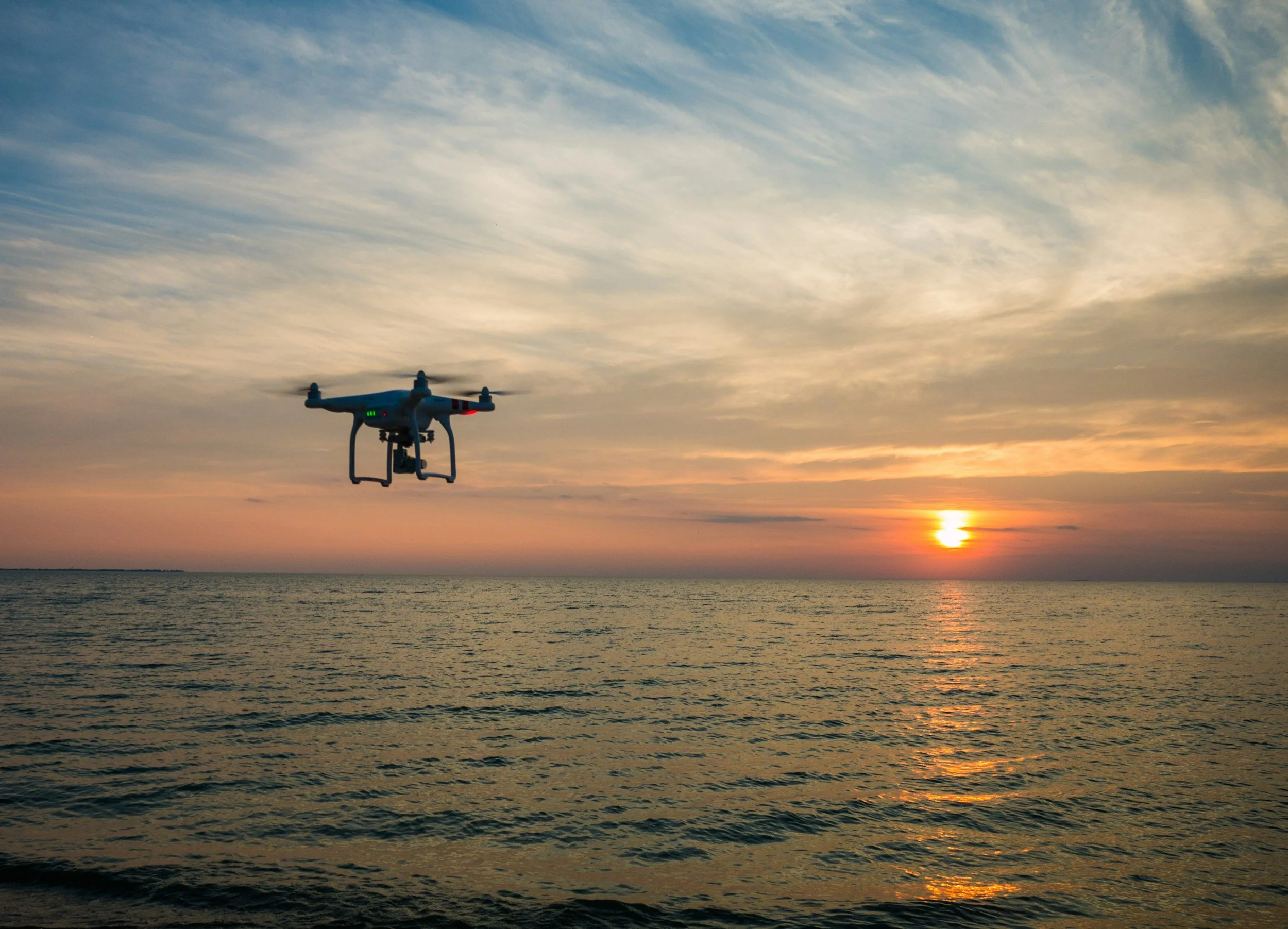
Step 1: Can You Bring a Drone Into Thailand?
Yes. Thailand allows tourists to bring drones in their luggage for personal use.
Helpful tips for customs:
Carry your drone in hand luggage when possible
Follow airline lithium battery regulations (usually max 160Wh per battery)
Bring proof of purchase or drone registration from your home country
Be prepared to answer basic questions if customs officers inquire
Thailand doesn't ban drone imports for personal travel. The challenge is operating one legally.
Step 2: Drone Registration Requirements (Mandatory)
If your drone has a camera (and most consumer drones do), Thai law requires dual registration:
1️⃣ Register with NBTC (Radio Frequency License)
Purpose: Authorizes your drone's radio transmission frequencies
Cost: 214 THB ($7 USD) — fixed government fee
Required documents:
Passport copy with Thailand entry stamp
Drone serial number and technical specifications
Insurance policy for 1 million baht
Proof of address in Thailand (hotel booking works)
Processing time: 3-7 business days
Where to register:
Payment: Online or at designated banks
Important: Registration must be completed within 30 days of entering Thailand with a drone, even if you don't plan to fly.
2️⃣ Register with CAAT (Pilot & Aircraft)
Purpose: Registers you as a drone pilot and your aircraft for aviation safety
Cost: FREE (government fee) — no charge from CAAT
Optional service providers: 1,200-3,000 THB ($40-100 USD) if you want assistance with paperwork and translation
Required documents:
Completed NBTC registration (must have this first)
Passport with valid Thai visa (plus photocopy)
Thai phone number (local SIM) and a local address in Thailand (hotel address ok)
Liability insurance certificate (minimum 1,000,000 THB coverage)
Drone purchase receipt
Medical certificate (for commercial use; typically exempt for recreational tourism)
Knowledge test requirement:
40-question online test in English or Thai
40-minute time limit
Must score 80% or higher to pass
If you fail, you must wait 24 hours before retaking
Topics: aviation safety, airspace rules, emergency procedures
Processing time: 7-14 business days after NBTC approval
Where to register:
Online application portal at https://uasportal.caat.or.th/
CAAT offices in Bangkok (main office)
Designated provincial CAAT offices
Registration validity: 2 years from date of issue
⏰ Total Timeline: 1-3 Weeks Minimum
Here's the reality that surprises most travelers:
You must register within 30 days of entering Thailand with a camera-equipped drone, even if you don't plan to fly
You need your Thailand entry stamp before starting registration
A Thai phone number and local address are required
CAAT registration cannot begin until NBTC approval is complete
Processing times don't include weekends or Thai public holidays
Each flight in restricted zones (like Bangkok) requires separate CAAT approval
If you're visiting Thailand for 7-10 days, registration likely won't be completed before your departure.
Registration validity periods:
CAAT registration: Valid for 2 years
NBTC registration for tourists: Valid for duration of your stay (tied to your immigration stamp)
Insurance: Must be renewed annually
Drone Weight Categories: Do They Matter?
Yes. Thailand classifies drones by weight and camera capability:
Under 250g WITHOUT Camera — EXEMPT
Examples: Racing drones, toys without cameras
No registration required if no camera is attached
Must still follow aviation safety rules
Cannot fly near airports or restricted zones
Under 250g WITH Camera — Registration Required
Examples: DJI Mini series (Mini 3, Mini 4 Pro)
Full NBTC + CAAT registration required despite light weight
Thailand does NOT have a sub-250g exemption for camera drones
This differs from US, UK, and EU regulations
250g-2kg — Most Consumer Drones
Examples: DJI Air series, older Mavic models
Full registration required
Minimum 30 meters distance from people
Standard insurance requirements (1 million THB minimum)
2-25kg — Prosumer Drones
Examples: DJI Mavic 3 Pro, Phantom series, Inspire
Full registration required
Minimum 50 meters distance from people (increased safety buffer)
Higher insurance requirements recommended
Additional safety documentation
Over 25kg — Professional/Commercial
Requires commercial operator license
Not practical for tourists
Extensive documentation and approvals needed
Key Takeaway: Even the lightest camera drones like the DJI Mini 3 (249g) require full registration in Thailand. Only non-camera drones under 250g are exempt.
Drone Flying Rules in Thailand (Even With Registration)
Registration approval doesn't mean you can fly anywhere. Strict operational rules apply:
🚫 Airport Distance Rule
Minimum distance: 9 kilometers (5.6 miles) from any airport
This is one of the biggest restrictions tourists face. Thailand has airports near many popular destinations:
Phuket: Phuket International Airport severely limits flying zones in Patong, Kata, Karon beaches
Krabi: Krabi Airport restricts the Ao Nang area
Koh Samui: Samui Airport creates a no-fly zone over much of the island
Chiang Mai: City center and nearby temples are restricted
Tip: Use apps like AirMap or Hover to check no-fly zones before traveling.
🚫 No Flying Over Crowds
Prohibited areas include:
Festivals and public gatherings
Night markets (Chiang Mai, Bangkok, Phuket)
Crowded beaches during peak season
Sporting events
Religious ceremonies
🚫 Restricted & Prohibited Zones
Absolutely no flying near:
Government buildings and royal palaces
Military installations and bases
Prisons and detention centers
Hospitals and emergency service facilities
Power plants and critical infrastructure
Special permission required for:
Buddhist temples and religious sites (even with permission, many monks prefer no drones)
National parks (most parks prohibit drones outright — check with park officials)
Historical sites and UNESCO World Heritage locations
🚫 Border Province Restrictions (2026 Update)
NEW: Thailand has imposed strict drone bans in certain border provinces due to national security concerns:
Prohibited provinces include:
Chanthaburi (affects tourist access to some eastern beaches)
Trat (includes popular Koh Chang island area)
Sa Kaeo
Buriram
Si Sa Ket
Surin
Ubon Ratchathani
Parts of other provinces along Thai-Cambodian and Thai-Myanmar borders
Impact on tourists: If you're visiting Koh Chang, Koh Kood, or other eastern islands near Cambodia, drone flying is prohibited regardless of registration status.
Always verify current border restrictions before traveling, as these zones can expand based on security situations.
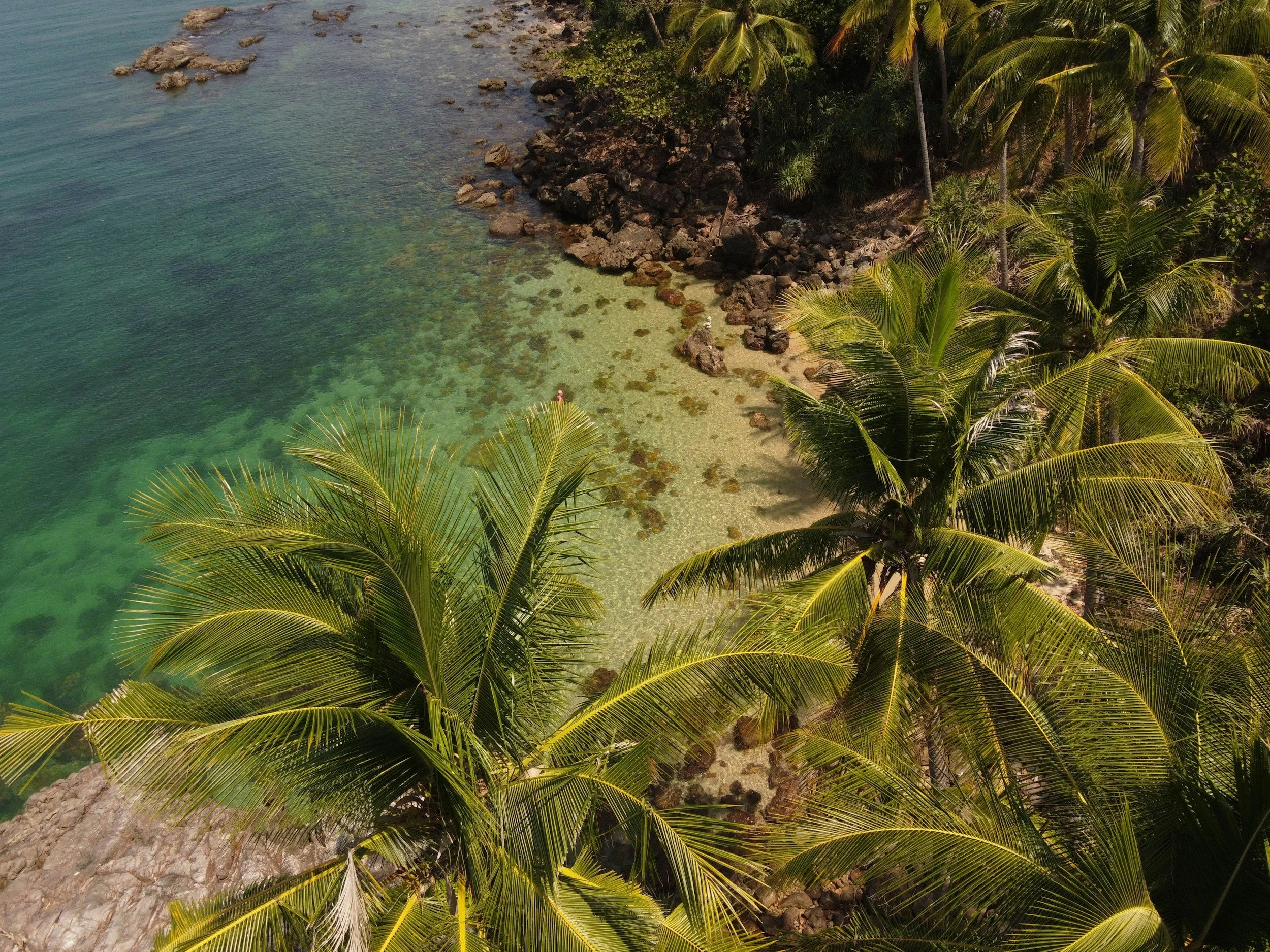
📏 Height & Distance Limits
Altitude:
Maximum altitude: 90 meters (295 feet) above ground level
Must maintain line of sight with your drone at all times
Distance from people:
Drones under 2kg: Minimum 30 meters from individuals not part of your operation
Drones 2-25kg: Minimum 50 meters from individuals not part of your operation
Pre-flight airspace check:
Mandatory: Download and use the CAAT UAS Portal mobile app before every flight
Check airspace status in real-time
Verify no temporary flight restrictions (TFRs) are active
Available on iOS and Android
☀️ Daylight Operations Only
No night flying without special authorization
Flights must occur between sunrise and sunset
Twilight operations require additional approval
Where CAN Tourists Fly Drones in Thailand?
Registration is challenging, but here are some drone-friendly options if you complete the process:
✅ Rural Areas Outside No-Fly Zones
Northern Thailand countryside (outside Chiang Mai's 9km airport radius, for example)
Lesser-known beaches away from airports (check specific locations)
Agricultural areas with landowner permission
✅ Private Property
Your resort or hotel grounds (with management permission)
Villas with private land
Always confirm with property owners first
✅ Designated Drone Parks
Some locations are establishing drone-friendly zones:
Bangkok: Limited designated areas outside the city center
Check with local drone communities on Facebook groups like "Drone Pilots Thailand"
❌ Where You Realistically CAN'T Fly
Most of Phuket's tourist beaches
Bangkok city center
Inside or over national parks (Khao Sok, Erawan, Doi Inthanon, etc.)
Phi Phi Islands
Ayutthaya Historical Park
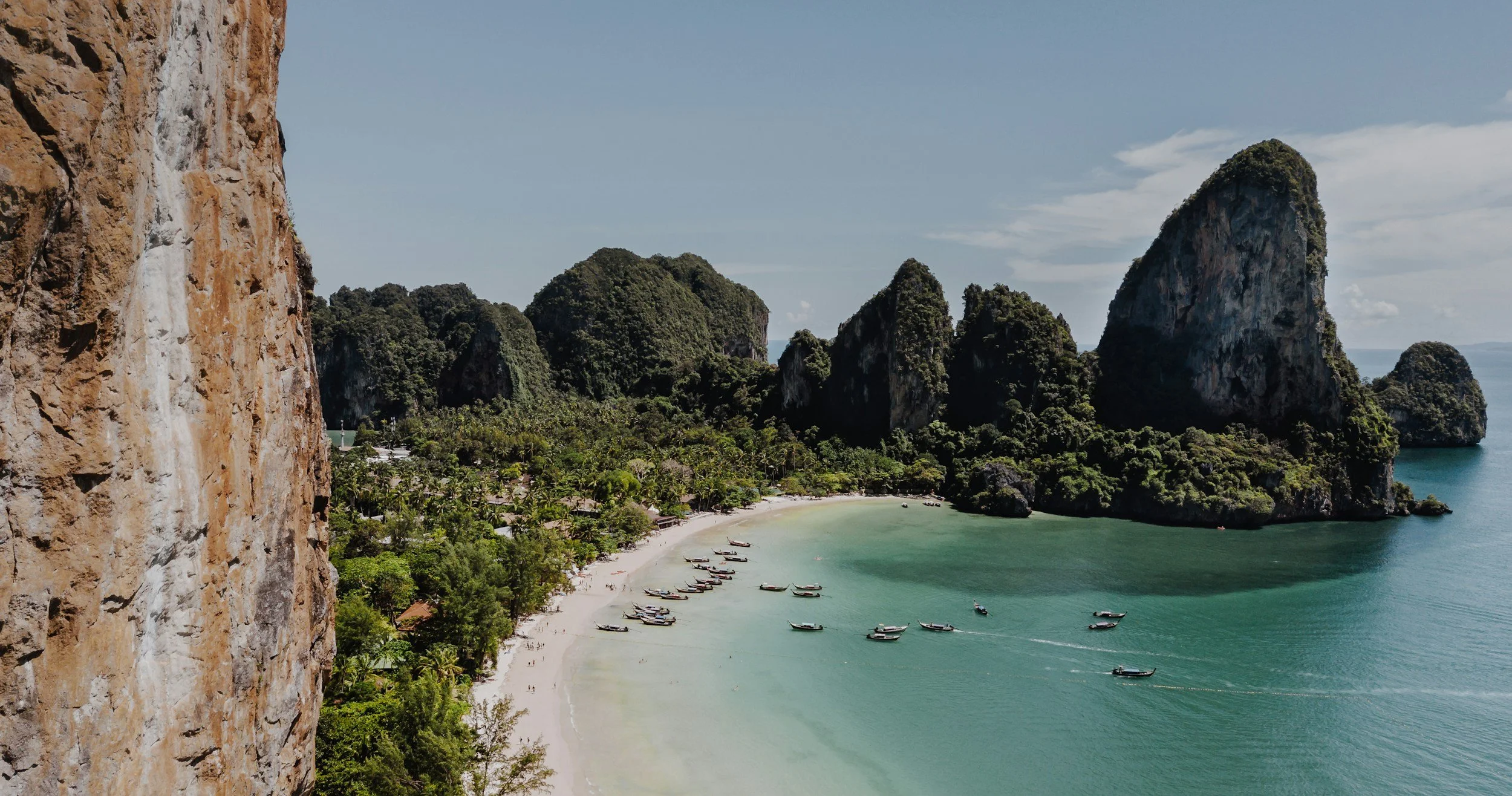
Railay Beach, Krabi
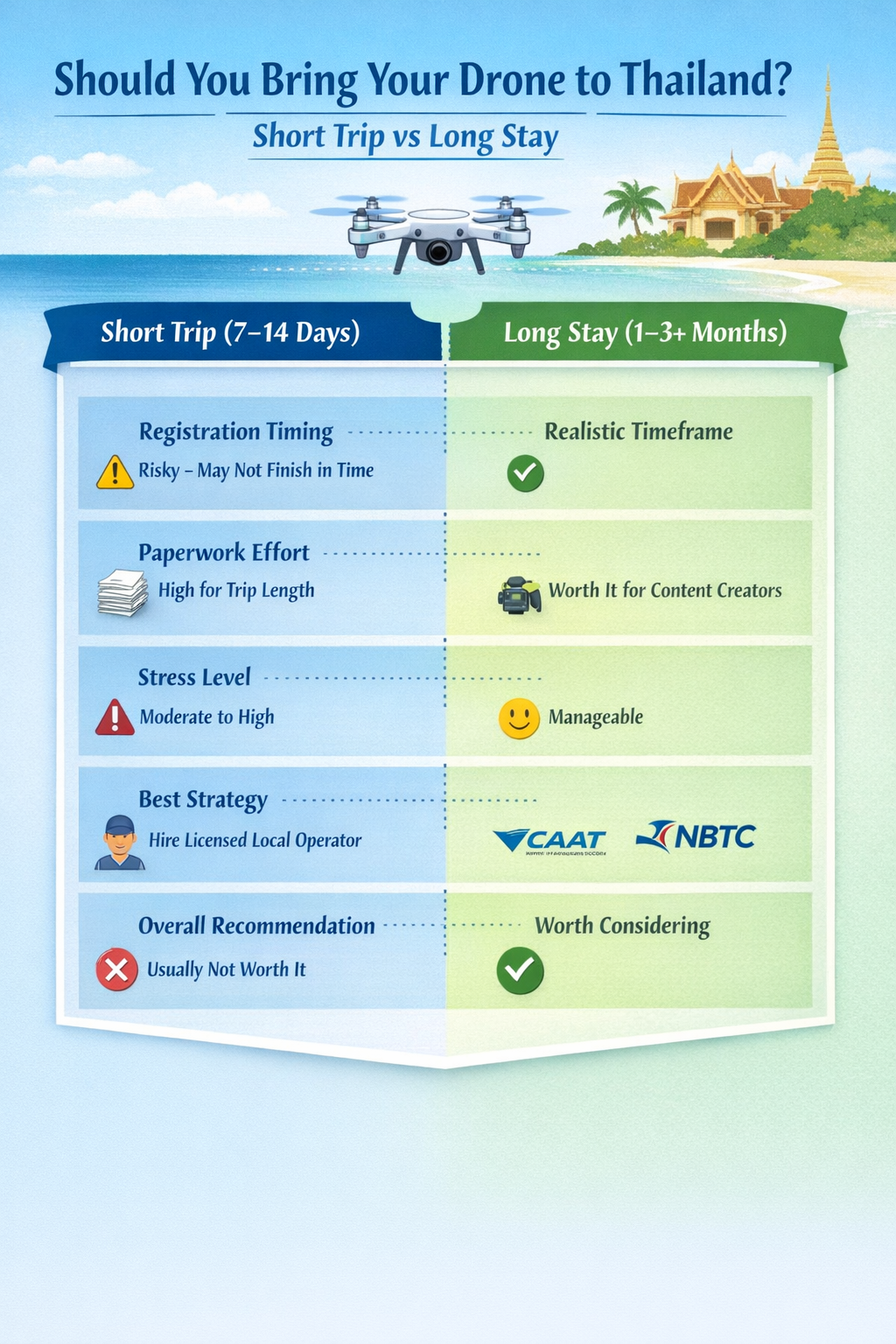
My Advice:
For short vacations (under 2 weeks): Leave the drone at home. You'll spend your precious vacation time:
Navigating Thai bureaucracy
Stressing about approval timelines
Discovering most locations are restricted anyway
For extended stays (1+ months): If you're a digital nomad, travel filmmaker, or staying long-term, registration makes sense. You'll have:
Time to complete the process properly
Opportunities to scout legal flying locations
Ability to create content over multiple trips
5 Common Drone Mistakes Tourists Make in Thailand
1. Assuming "Just One Quick Flight" Doesn't Count
Even a 30-second flight without registration violates Thai law. Locals or police may report you.
2. Not Checking Airport Proximity
That beautiful beach resort? It might be 5km from an airport. Always check before booking.
3. Flying Over Crowded Beaches
Kata Beach at sunset looks perfect — but it's both crowded AND near Phuket airport. Double violation.
4. Launching at Temple Grounds Without Permission
Temples are sacred spaces. Even with CAAT approval, you need temple permission (which is rarely granted).
5. Posting Illegal Drone Footage Online
Authorities monitor YouTube and Instagram. Footage from restricted areas can lead to retroactive fines and/or criminal charges.
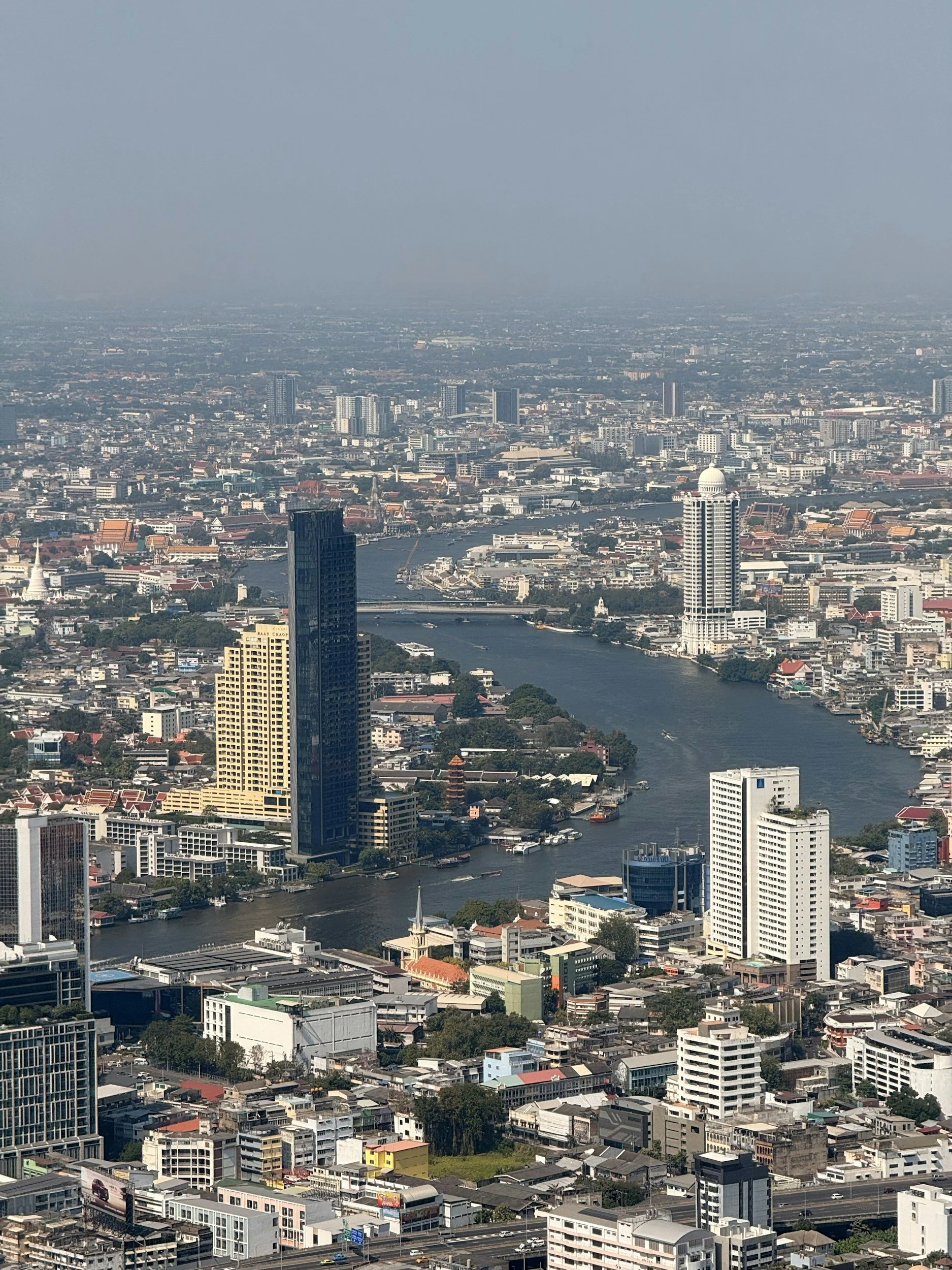
Flying a Drone in Bangkok: Is It Possible?
Short answer: Extremely difficult and usually impractical.
Why Bangkok is challenging:
Two major airports: Suvarnabhumi and Don Mueang create overlapping no-fly zones covering most of the city
VTR1 Restricted Zone: Bangkok is classified as a restricted airspace zone
Per-flight CAAT approval required: Even with full registration, each individual flight requires separate CAAT permission
Dense urban environment: High population density makes the 30-50 meter distance rules nearly impossible to follow
Government district: Parliament, Grand Palace, and ministry buildings are strictly off-limits
Busy airspace: Constant helicopter traffic (police, medical, VIP transport)
What "per-flight approval" means:
You must apply to CAAT for each specific flight at least 3 days in advance
Provide exact location, time, duration, and purpose
Wait for written approval
This makes spontaneous or tourist flying completely impractical
Rare exceptions:
Private property far outside central Bangkok (still requires approval)
Designated zones in outer suburbs (rare and inconvenient for tourists)
Professional commercial operators with special blanket permits
Realistic advice: Don't plan on flying in Bangkok as a tourist. The combination of airport restrictions and per-flight approval requirements makes it virtually impossible for short-term visitors.
What Happens If You Ignore the Rules?
Thailand takes aviation safety and national security seriously. As of 2026, enforcement has significantly increased with zero-tolerance policies in sensitive areas.
Financial Penalties & Criminal Charges
CAAT violations (flying without pilot/aircraft registration):
Fine: Up to 40,000 THB ($1,300 USD)
Imprisonment: Up to 1 year (Ouch!)
Both penalties can be applied simultaneously
NBTC violations (unregistered radio equipment):
Fine: Up to 100,000 THB ($3,350 USD)
Imprisonment: Up to 5 years (Wowzer!)
Both penalties can be applied simultaneously
Aggravating factors (higher penalties):
Flying near airports or military zones
Flying in border provinces
Endangering aircraft or people
Repeated violations
Commercial use without proper licensing
Equipment Confiscation
Your drone and all related equipment will be seized immediately. You will not get it back, regardless of the drone's value.
Immigration Consequences
Visa revocation for serious violations
Deportation and entry ban for future visits
Criminal record affecting travel to other countries
2026 Enhanced Enforcement
Thailand has significantly stepped up drone law enforcement:
Tourist police actively monitor popular photo locations
Airport drone detection systems automatically alert authorities
Local residents are encouraged to report illegal flights
Social media monitoring: Authorities track YouTube, Instagram, and TikTok for illegal footage
Border patrol drones: Increased surveillance in restricted provinces
Real consequences tourists have faced:
40,000 THB fine + drone confiscation for flying near Phuket Airport
Arrest and deportation for flying in restricted military zones
Criminal charges for flying near royal palace areas
Investigation after posting footage from prohibited national parks
Respecting Thailand's drone laws ensures your trip remains memorable for the right reasons. The penalties are severe because airspace violations can endanger commercial aircraft carrying hundreds of passengers.
Alternatives: Can't Bring Your Drone? Try These Instead
1. Hire a Licensed Local Drone Operator
Cost: 5,000-15,000 THB ($170-500 USD) per session
Benefits:
Fully legal and insured
They know the best legal locations
Professional-quality footage
No registration hassle
Where to find:
Fiverr and Upwork (search "Thailand drone pilot")
Facebook groups: "Thailand Drone Operators" and "Drone Pilots Thailand"
Ask your hotel concierge
2. GoPro on Extension Pole
For beach and adventure shots, a GoPro on a 3-meter pole gives you elevated perspectives without legal complexity.
3. Smartphone Panorama Mode
Modern smartphone panoramas create surprisingly impressive wide-angle shots. iPhone 15 Pro and Samsung Galaxy S24 Ultra have excellent modes.
4. Book Helicopter or Scenic Flight Tours
For true aerial photography:
Helicopter tours over Phuket, Krabi, or Koh Samui
Seaplane flights in Phuket
Cost: 3,000-8,000 THB ($100-270 USD) per person
Frequently Asked Questions About Drones in Thailand
Can tourists bring drones to Thailand?
Yes, tourists can bring drones into the country through customs. However, you must complete NBTC and CAAT registration before operating the drone legally. Simply carrying it isn't illegal; flying it without registration is.
Do I need insurance to fly a drone in Thailand?
Yes. Liability insurance is required during CAAT registration. Minimum coverage is typically 1,000,000 THB ($33,400 USD) for recreational use, higher for commercial operations.
How far must I stay from airports?
At least 9 kilometers (5.6 miles) from any airport. This includes major international airports and small regional airfields. Use aviation apps to check before flying.
Can I start registration before arriving in Thailand?
Generally, no. You'll need your Thailand entry stamp, local phone number, and Thai address to begin the registration process. Some initial paperwork can be prepared in advance, but submission requires you to be in-country.
Are drones allowed in Thai national parks?
Most national parks prohibit drones entirely to protect wildlife and visitor experience. Parks that do allow them require special permission from park authorities, which is rarely granted to short-term visitors. Don't assume you can fly — always ask park officials first.
Popular parks with drone bans:
Khao Sok National Park
Erawan National Park
Doi Inthanon National Park
Similan Islands
Most marine national parks
Even if a park doesn't explicitly prohibit drones, you still need to follow all national aviation rules (airport distance, altitude limits, etc.), which often make flying impossible anyway.
Can I fly a drone in Koh Chang, Koh Kood, or other eastern islands?
No. As of 2026, drone operations are prohibited in Trat Province, which includes popular tourist destinations:
Koh Chang
Koh Kood
Koh Mak
Other eastern islands near the Cambodian border
Why the ban: These areas fall within border security zones where Thailand has imposed strict drone restrictions due to national security concerns along the Thai-Cambodian border.
This applies even if:
You have full NBTC and CAAT registration
You're flying over private property
You're a professional operator
The border province ban supersedes all other permissions. Violations in these areas result in immediate confiscation and serious legal consequences including potential espionage charges.
Alternative destinations: If aerial photography is important to your trip, consider west coast destinations like Phuket, Krabi, or Koh Lanta instead (though airport restrictions still apply).
What if my drone is under 250 grams?
It depends on whether your drone has a camera:
Drones UNDER 250g WITH camera (e.g., DJI Mini 3, Mini 4 Pro):
✅ Registration required with both NBTC and CAAT
Thailand does NOT exempt sub-250g camera drones
Full registration process applies
Drones UNDER 250g WITHOUT camera (e.g., racing drones, camera-less toys):
❌ No registration required
Must still follow all aviation safety rules
Cannot fly near airports or restricted zones
Why Thailand is different: Unlike the US, UK, or EU regulations that often exempt sub-250g drones, Thailand requires registration for ANY drone with a camera regardless of weight. The camera capability is the determining factor, not just the weight.
Bottom line: Your DJI Mini series drone needs full registration even though it weighs only 249 grams.
Do I have to register even if I'm not planning to fly right away?
Yes. Thailand law requires you to register your camera-equipped drone within 30 days of entering the country, regardless of whether you plan to fly it.
Why this rule exists:
Authorities need to track all drones in the country for security purposes
Possession of unregistered radio equipment (which drones contain) is illegal
The 30-day window gives you time to complete the process
Practical advice: If you're only staying 10-14 days and don't plan to fly, consider leaving your drone at home to avoid the registration requirement entirely.
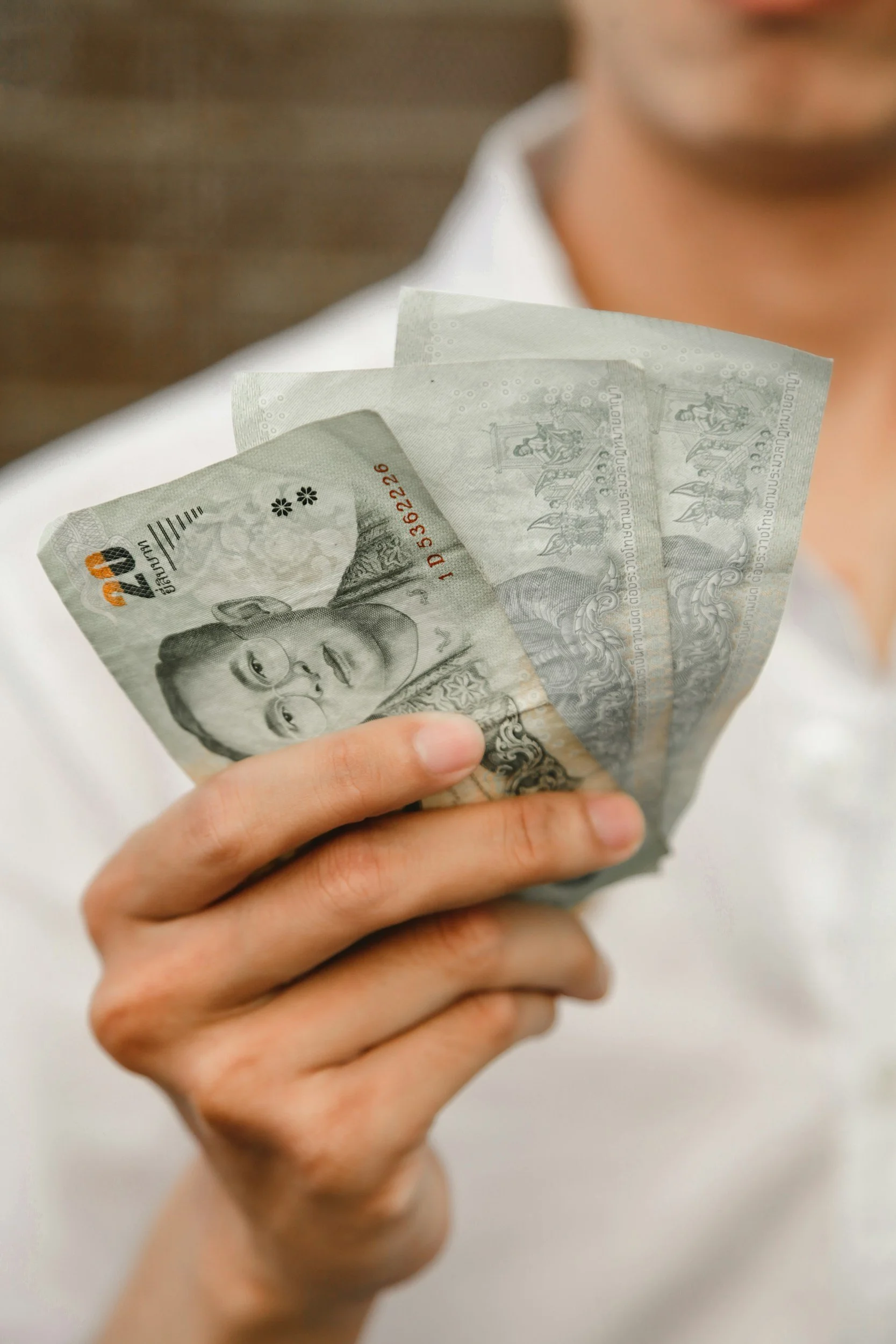
How much does drone registration cost in Thailand?
DIY Registration (doing it yourself):
NBTC radio frequency license: 214 THB (fixed fee)
CAAT pilot/aircraft registration: FREE (no government fee)
Liability insurance (required): 599-1,500 THB depending on drone weight and coverage
Total DIY cost: 813-2,000 THB ($22-55 USD)
Using a registration service provider:
Service fee for paperwork assistance: 1,200-3,000 THB
Plus government fees and insurance above
Total with service: 2,000-5,000 THB ($55-138 USD)
Service providers can help with:
Translation of documents
Navigating Thai bureaucracy
Faster processing through established contacts
Insurance procurement
Renewal costs:
CAAT registration: Valid 2 years, then must renew
NBTC for tourists: Expires when you leave Thailand
Insurance: Annual renewal (599-1,500 THB/year, please do your own research for current price)
Can I register online or must I visit an office?
NBTC offers online registration through their website, but you may need to visit an office for document verification. CAAT registration typically requires an in-person visit to submit documents and receive your pilot certificate. Bangkok has the main offices; some provincial capitals have branch offices.
Do I need a Thai bank account for registration?
No. Registration fees can usually be paid via cash, international credit card, or Thai payment systems that accept tourist payment methods. A Thai bank account is not mandatory.
What documents do I need to bring for registration?
Essential documents:
Passport with valid Thailand entry stamp and visa
Drone serial number and specifications (bring the box or manual)
Proof of purchase receipt
Thai SIM card phone number
Thai address (hotel booking confirmation works)
Passport-sized photos (2-4 copies)
Insurance certificate
NBTC approval certificate (when applying to CAAT)
What happens if I crash my drone in Thailand?
If you're registered:
Report the incident to CAAT within 24 hours
Contact your insurance provider immediately
Document the crash scene with photos
Retrieve the drone if possible (don't trespass on private property)
If the crash caused property damage or injury, file a police report
Your insurance should cover third-party liability claims
If you're unregistered: You face serious problems:
Penalties for illegal operation (up to 40,000 THB fine + 1 year imprisonment, maybe worse)
Full personal liability for any damage or injuries (no insurance protection)
Possible criminal charges if you damaged property or endangered people
Deportation risk for serious incidents
Special situations:
Crashed near an airport:
Notify airport authorities immediately (required by law)
Expect investigation and likely heavy fines even if registered
Possible criminal charges for endangering aircraft
Crashed in water (ocean, river, lake):
Not required to retrieve if it's lost
Still must report to CAAT if registered
Environmental damage could result in additional fines
Crashed on private property:
Get property owner's permission before retrieving
They may demand compensation for trespassing
Don't argue — work through insurance if registered
Crashed and injured someone:
Call emergency services (1669 for ambulance)
Do not leave the scene
Contact tourist police (1155)
Contact your embassy if serious
Criminal liability applies regardless of registration status
Best practice: If registered, your insurance covers up to 1 million THB in third-party liability. Without registration, you're personally liable for all damages.
Are there drone rental services in Thailand?
Yes, but they're primarily for registered Thai operators or long-term residents. Tourist-friendly drone rental is rare because renters need valid CAAT registration. Hiring an operator (who brings their registered drone) is more common.
Ready to Explore Thailand?
Whether you fly a drone or simply explore with your eyes and smartphone, Thailand offers unforgettable experiences at every turn. So, if you’re ready, let’s fly!
MORE RESOURCES:
🏌️♂️ Golfing in Thailand 2026: A Golf Traveler's Guide to Fairways, Wellness & World-Class Greens
🎵 Best Live Soul & R&B Venues for Mature Travelers and Expats in Bangkok (2026)
🎾 Pickleball in Thailand 2026: Complete Guide to Courts, Clubs & Communities
Thailand Visa Exemption Crackdown November 2025: New Rules Explained
Best Time to Visit Thailand?: What I Tell My Friends
Read about Thailand medical tourism’s Top Hospitals, Costs and Procedures.
Looking for Bangkok’s best second-hand markets? Check it out HERE.
For Best Mindfulness Retreats in Thailand for English Speakers Guide, click HERE.
For Do’s and Don’ts while visiting Thailand, click HERE.
Thailand e-Visa and Immigration Guide 2025
Ab Zab Restaurant Phuket: Authentic Thai Flavours, Family Warmth & Stunning Patong Bay Views
Was this content useful? For the latest Thailand living tips, travel hacks, and perhaps retirement blog updates, pop in your email the box below. Let’s explore Thailand together!
And, if you’re ready to explore Thailand for the first time and need my help with your trip itinerary, hit me up HERE. I’m an Independent Travel Advisor of Fora Travel.
Cheers! - Monchai